General anesthesia represents a crucial element in numerous surgical procedures. Anesthetic agents create unconsciousness, amnesia, muscular relaxation, suppressed nervous system reflexes, and pain relief, enabling surgeons to perform incisions without causing discomfort. Without these protective mechanisms, critical surgeries would prove impossible, making general anesthesia a landmark medical achievement. However, the molecular mechanisms underlying anesthetics remain incompletely understood, leaving gaps in knowledge about transient and lasting side effects and the recovery trajectory. Recovery from anesthesia is frequently described anecdotally as involving grogginess, nausea, and effects persisting for days or weeks, compounded by simultaneous surgical recovery. Researchers now investigate anesthetic recovery to distinguish direct cognitive consequences from surgery-related effects.
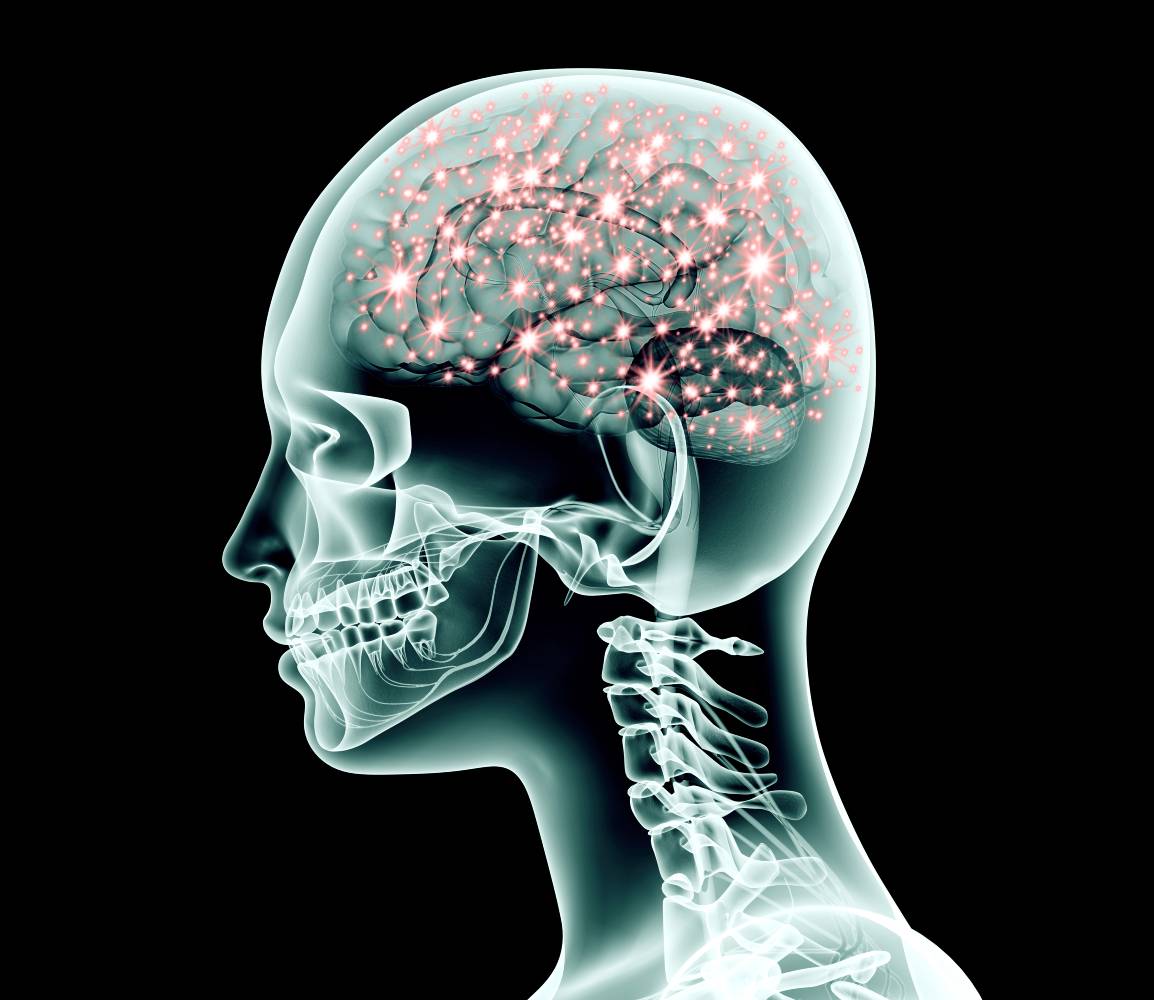
One investigation examined recovery by administering isoflurane and propofol to healthy adults. Using electroencephalography to measure brain activity—specifically permutation entropy and Lempel-Ziv complexity—alongside cognitive assessments, researchers tracked anesthesia stages. They observed significant cortical activity reduction following propofol-induced loss of consciousness, with continued decline during isoflurane maintenance. Before consciousness returned, subjects demonstrated elevated frontal and posterior permutation entropy matching or surpassing baseline levels, with maximum activity in the prefrontal cortex post-emergence. Researchers found no strong correlation between EEG measures during anesthesia and subsequent cognitive impairment. While all cognitive functions showed immediate post-awakening deficits, executive function and complex problem-solving recovered first, whereas processing speed, attention, and memory required extended recovery periods. This contradicts earlier theories predicting caudal-to-rostral recovery, revealing earlier-than-expected prefrontal cortex activity restoration. However, researchers note that studies involving dexmedetomidine or propofol sometimes showed limited frontal lobe activity. By three hours post-anesthesia, cognitive task performance matched control groups, and sleep-wake patterns over subsequent days remained unremarkable.
This research demonstrates anesthesia produces no lasting cognitive effects in healthy adults and reveals recovery as a prolonged, sequential process involving dynamic changes rather than a singular event or simple drug elimination. The prominence of the prefrontal cortex in cognition and early executive function recovery illuminates consciousness mechanisms, potentially modulated by interactions among brain structures rather than specific area activation alone, supporting the global neuronal workspace theory. Future investigation should address potential cognitive risks in elderly and pediatric populations and examine how drugs and neurotransmitters influence recovery timelines. This study underscores the minimal harm from anesthetics in healthy adults, reinforcing general anesthesia's therapeutic value.