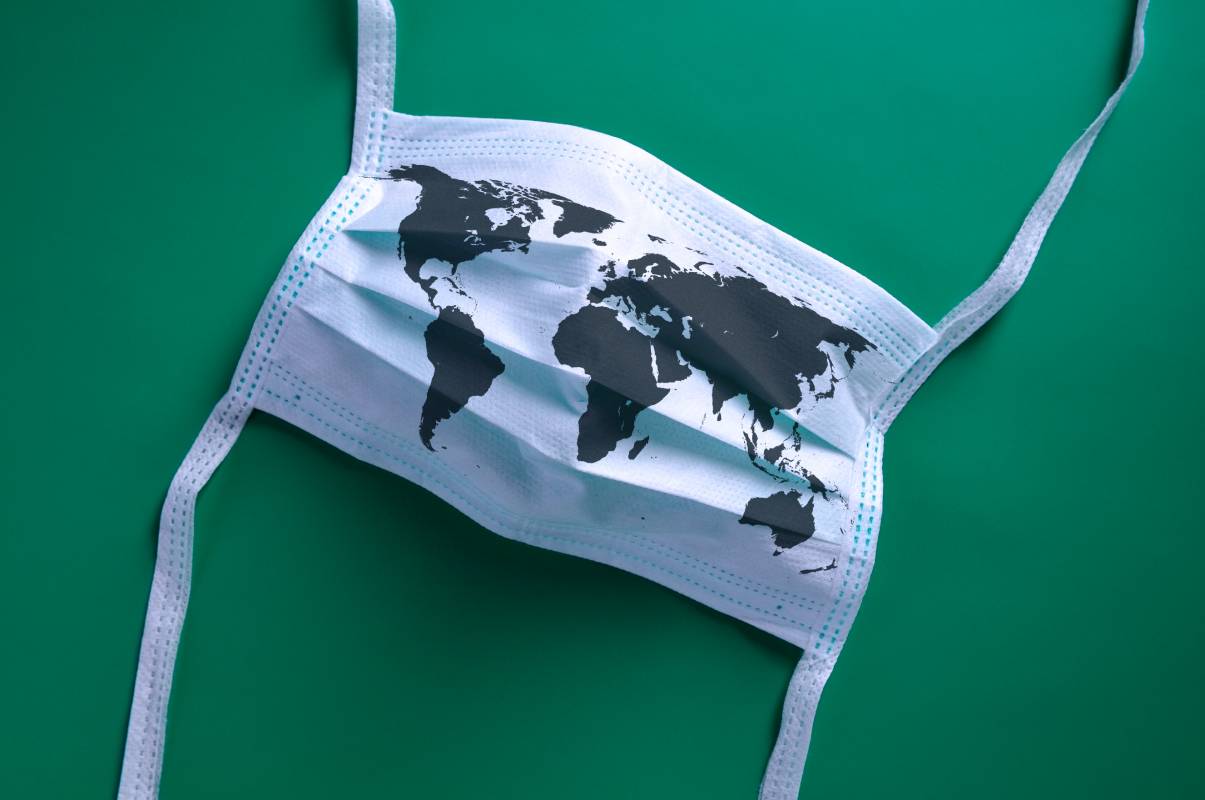
The COVID-19 pandemic began to shake the world in early 2020, affecting every country since. As of mid-April, COVID-19 has resulted in nearly 1 million deaths in the United States alone, and over 6 million deaths globally. Despite the speed at which vaccines and therapeutics have been developed, increasingly transmissible variants have sparked new waves of disease that have pushed many health systems to the brink. In addition, many survivors continue to suffer serious long-term consequences after recovery. The International Monetary Fund estimates that, if COVID-19 becomes endemic, global economic losses could surpass $5 trillion by 2026.
COVID-19 currently infects tens of thousands of individuals per day in the United States alone, and hundreds of thousands per day worldwide. Nonetheless, phenomenal progress has been made in the treatment of COVID-19 patients.
Monoclonal antibodies
The FDA authorized bebtelovimab, effective "against the now most common SARS-CoV-2 variant in the United States, variant BA.2" for non-hospitalized patients aged 12+ with mild to moderate symptoms.
Antiviral pills
The FDA authorized Paxlovid and molnupiravir for COVID-19 treatment. Paxlovid demonstrated effectiveness in reducing hospitalization and death risk compared to placebo.
Vaccination has significantly dampened global COVID-19 effects. "Over 80% of Americans aged 5 and over" have received at least one vaccine dose, while "nearly 60% of the world's population is fully vaccinated." However, substantial inequity persists globally.
The Omicron variant continues posing risks. Shanghai faced extended lockdowns as new variants emerged. The WHO projected potential global herd immunity achievement by mid-2022 through vaccination and macroeconomic support strategies.