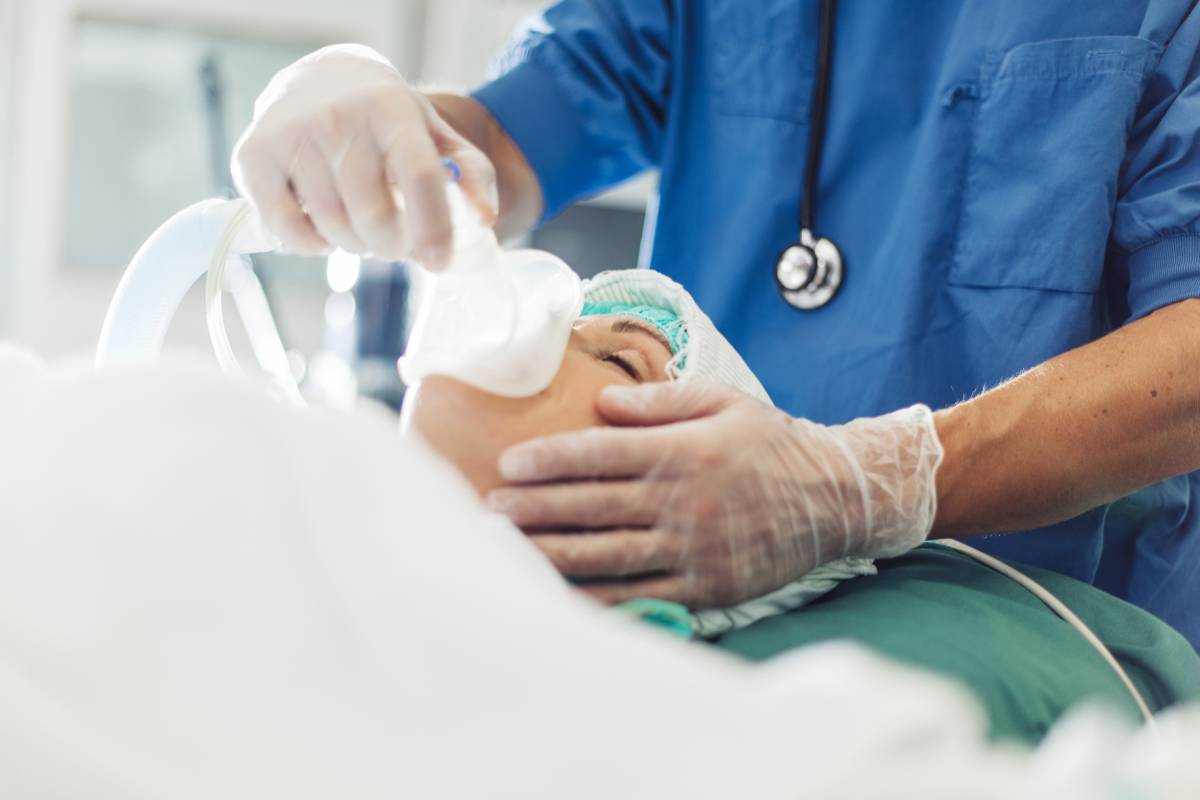
Mild hypothermia occurs frequently during anesthesia, representing "the most common perioperative thermal disturbance"; drops reaching 2°C are typical. Both general and regional anesthesia can cause significant adverse effects on patient wellbeing.
Normal thermoregulation involves three processes: thermosensitive receptors provide afferent input, the hypothalamus integrates information and coordinates responses, and efferent outputs regulate temperature through blood flow, sweating, muscle tone, and metabolic changes. Heat loss prevention involves vasoconstriction and reduced sweating, while heat production increases through shivering.
Temperature drops during anesthesia result from "exposure of a patient to a cold environment alongside their inability to initiate behavior responses," plus anesthetic agents promoting heat loss. Volatile anesthetics, propofol, and opioids cause vasodilation and "directly impair hypothalamic thermoregulation in a dose-dependent manner." Opioids increase the normal inter-threshold body temperature range from approximately 0.2°C to 4°C while depressing sympathetic outflow.
Hypothermia consequences include threefold increases in cardiac morbidity and surgical wound infections, impaired coagulation, compromised renal function, reduced drug metabolism, and altered mental status.
Prevention strategies include appropriate patient clothing (since 85% of heat loss occurs through skin), preoperative warming via forced-air systems, maintaining operating room temperature at 24°C, continuous intraoperative temperature monitoring using thermocouple/thermistor probes, and warming IV fluids. Maintaining core temperature above 36°C improves anesthetic care quality and safety.