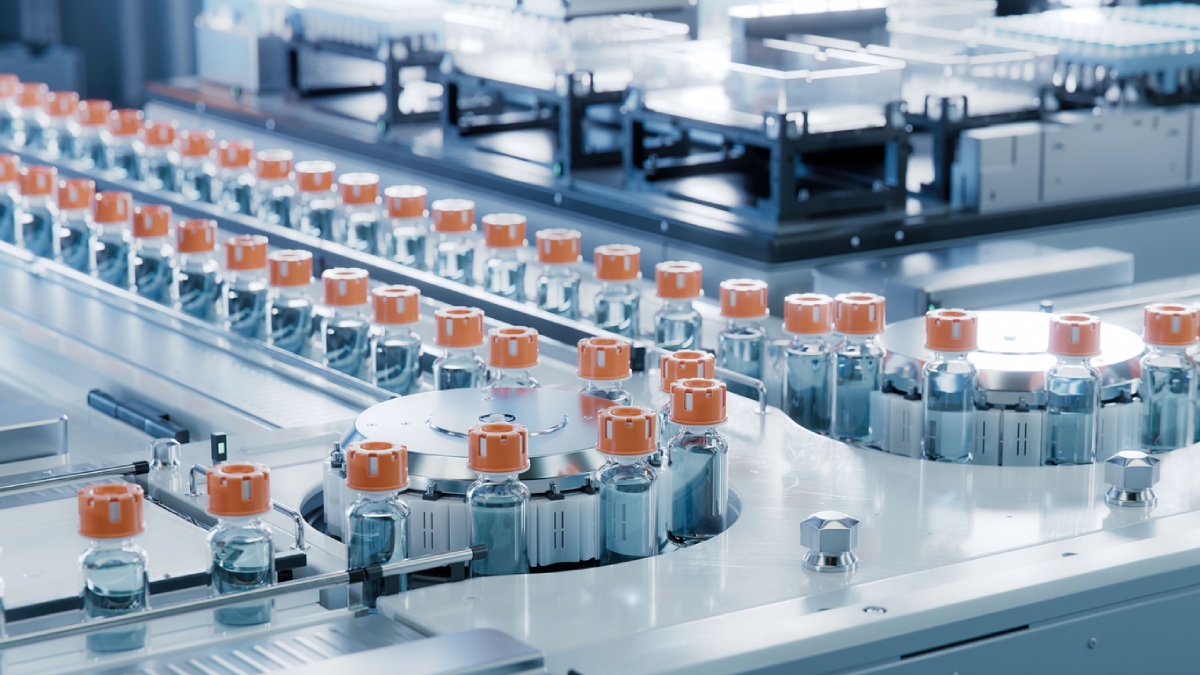
Anesthetic drugs are among the most essential medicines in all clinical practice: surgery, intensive care, and emergency airway procedures depend on them. Maintaining a steady supply of these drugs is extremely important for healthcare, especially amidst manufacturing and economic pressures and fluctuations. Understanding the manufacturing landscape of anesthetic drugs helps explain why reliable supply, consistent quality, and continued innovation all remain challenges.
Most workhorse anesthetics like propofol, lidocaine, bupivacaine, ketamine, and the inhalational agents have long been off patent. This generic economics has a double-edged effect. On one hand, it keeps essential drugs affordable worldwide. On the other hand, thin profit margins discourage pharmaceutical companies from investing in new anesthetic discovery. As industry observers have noted, the widespread availability of effective agents at generic prices, combined with a perception that existing drugs are “good enough,” has suppressed commercial interest in developing novel compounds.1,2
Low margins also mean few manufacturers, little redundancy, and fragile supply chains. The U.S. Food and Drug Administration consistently lists common anesthetics among the most shortage-prone medications.3 Local anesthetics such as lidocaine and bupivacaine have faced recurring shortages spanning more than a decade, with disruptions peaking in 2022.3 Because many anesthetics are sterile injectables produced by a small number of facilities, a single manufacturing interruption can ripple across hospitals nationwide. Manufacturers typically limit sterile-injectable production to a single plant, so one quality problem can trigger a national shortage with no backup supplier ready to fill the gap.4,5
The landscape of manufacturing of anesthetic drugs is also affected by global events and geopolitics. Much of the world’s capacity for active pharmaceutical ingredients and finished sterile injectables is concentrated in a handful of regions and plants, with roughly 80% of the active ingredients used in U.S. drug manufacturing originating overseas, primarily in China and India.6,7 As a result, a localized disruption, such as a natural disaster, a regulatory shutdown, or a geopolitical trade constraint, can propagate globally within weeks. When a dominant supplier exits a low-margin product, there is often no idle capacity elsewhere to absorb demand, because maintaining redundant sterile lines is rarely profitable. This fragility is self-reinforcing: each shortage pushes marginal producers out of the market, further concentrating supply and raising the stakes of the next interruption.4,5
Sterile injectables used in anesthesia are also among the most difficult products to manufacture. Regulatory analyses of FDA recalls have repeatedly identified sterility failures and current Good Manufacturing Practice (cGMP) noncompliance as leading causes of product withdrawals.8 Degradation, nitrosamine contamination, particulate matter, and stability failures all threaten product integrity.9 Meeting the International Council for Harmonization of Technical Requirements for Pharmaceuticals for Human Use (ICH) quality framework and maintaining cGMP standards require substantial, continuous investment. This is another barrier that keeps the number of suppliers small.
However, efforts continue in the research and development of new agents, with a few notable successes in recent years. Remimazolam, ciprofol, novel etomidate analogues, and neuroactive steroids, have recently reached or are approaching the market, reflecting renewed interest in “soft drugs,” designed from the outset to be metabolically labile with improved safety profiles.10,11 These developments suggest that targeted pharmacologic advantages can still justify commercial investment.
Strengthening anesthetic drug manufacturing involves diversifying manufacturing capacity, investing in quality systems, supporting a renewed development pipeline, and advocating for equitable global access. The anesthetic drugs clinicians depend on are only as reliable as the industry that makes them.