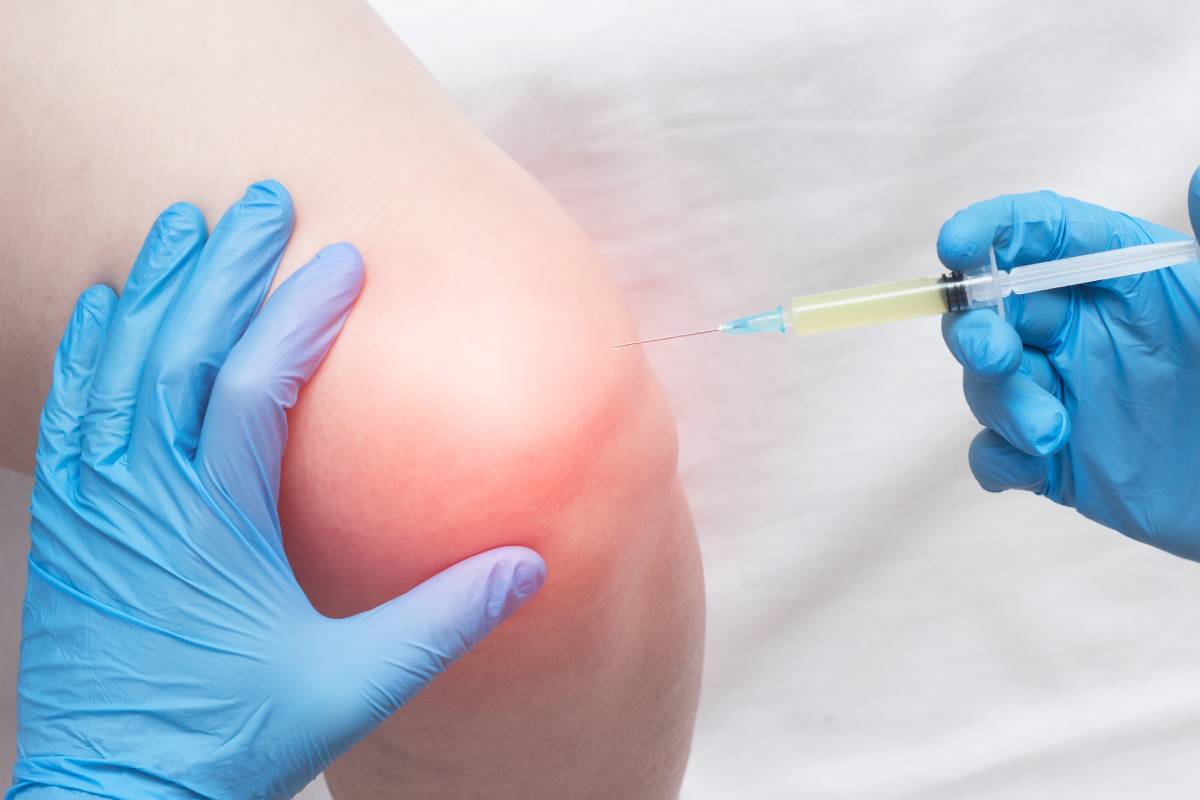
Prosthetic joint infection is a serious complication of joint arthroplasty, with infection rates ranging from 1% to 2% in primary joint surgeries. The projected costs of managing these infections are expected to reach $1.85 billion by 2030, and five-year mortality for infected prosthetic joints approaches 21%, underscoring the importance of prevention strategies.
Common causative organisms include Staphylococcus aureus, Staphylococcus epidermidis, Propionibacterium acnes, and Corynebacterium species. Patient risk factors include obesity, steroid use, chemotherapy, and diabetes, all of which impair local and systemic immune responses.
Intra-articular antibiotic administration during surgery represents one strategy to reduce infection rates. A 2014 study comparing 164 shoulder replacement patients who did not receive intra-articular gentamicin (infection rate 3.0%) versus 343 patients who received the antibiotic (infection rate 0.29%) demonstrated a statistically significant reduction in infection (P < .01), supporting the potential benefit of this approach.
The use of intra-articular vancomycin in primary hip and knee arthroplasty has also been investigated, with safety profiles and clinical outcomes supporting its consideration as part of a comprehensive infection prevention protocol.