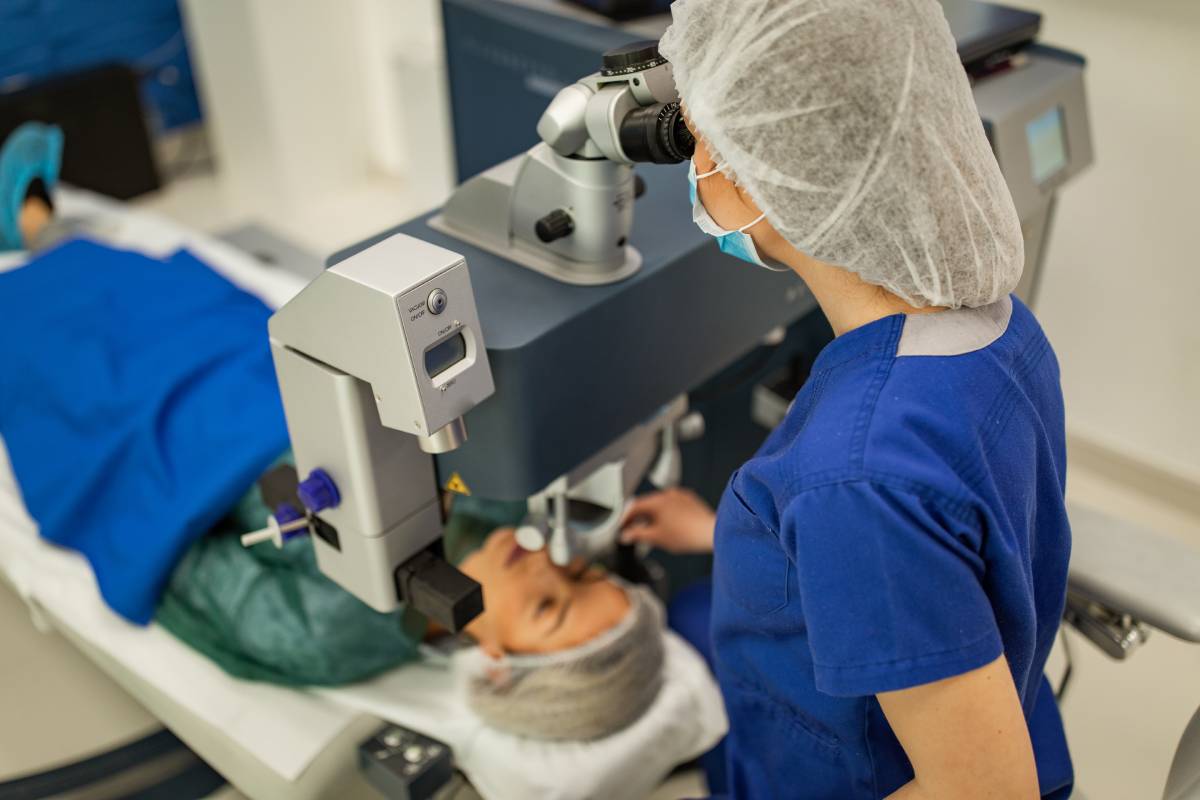
Cataract surgery ranks among the most frequently performed surgical procedures globally. The operation addresses crystalline lens clouding that causes meaningful vision loss. Multiple factors contribute to cataract development, including UV exposure and tobacco use, though advancing age represents the primary cause. When visual acuity deteriorates to 20/40 or worse from cataracts, surgical intervention becomes necessary. The procedure boasts impressive outcomes, with "more than 95% of patients reporting safe outcomes."
Early cataract treatment involved couching, which displaced rather than removed the affected lens. This approach sometimes improved vision immediately but often generated complications. Extracapsular cataract extraction (ECCE) followed, involving corneal incisions to extract lens material. While viscosurgical devices and intraocular lenses enhanced this technique, phacoemulsification (PHACO) has become the dominant method. During PHACO, "an ultrasound-driven needle makes a 3 to 4 mm incision" to break apart and remove lens material. This approach offers "increased safety, reduced recovery time, and decreased risk of surgically-induced astigmatism."
Small incision cataract surgery (SICS) provides a cost-effective alternative, particularly in resource-limited settings. A 2017 comparative study involving 57 patients found both techniques effective, with SICS demonstrating advantages in expense, procedure duration, and equipment requirements.
Despite generally excellent safety profiles, complications can occur. Posterior capsular opacification represents the most common complication and responds well to laser treatment. More serious concerns include posterior capsular rupture, which may trigger nucleus dropping, vitreous loss, macular edema, or retinal detachment. Endophthalmitis poses the greatest threat, though intracameral antibiotics have substantially minimized this risk.
Comprehensive preoperative testing was traditionally recommended to identify patient risk factors. However, contemporary research suggests testing may prove counterproductive. A meta-analysis examining 21,153 procedures revealed that "tested patients paid 2.55 times as much money to the hospital" without experiencing reduced complication rates. A separate Medicare beneficiary study spanning 2006-2014 demonstrated that preoperative medical testing correlated with "43% more falls and delayed surgeries."
Balancing thorough evaluation against procedural efficiency appears optimal for maximizing cataract surgery outcomes worldwide.