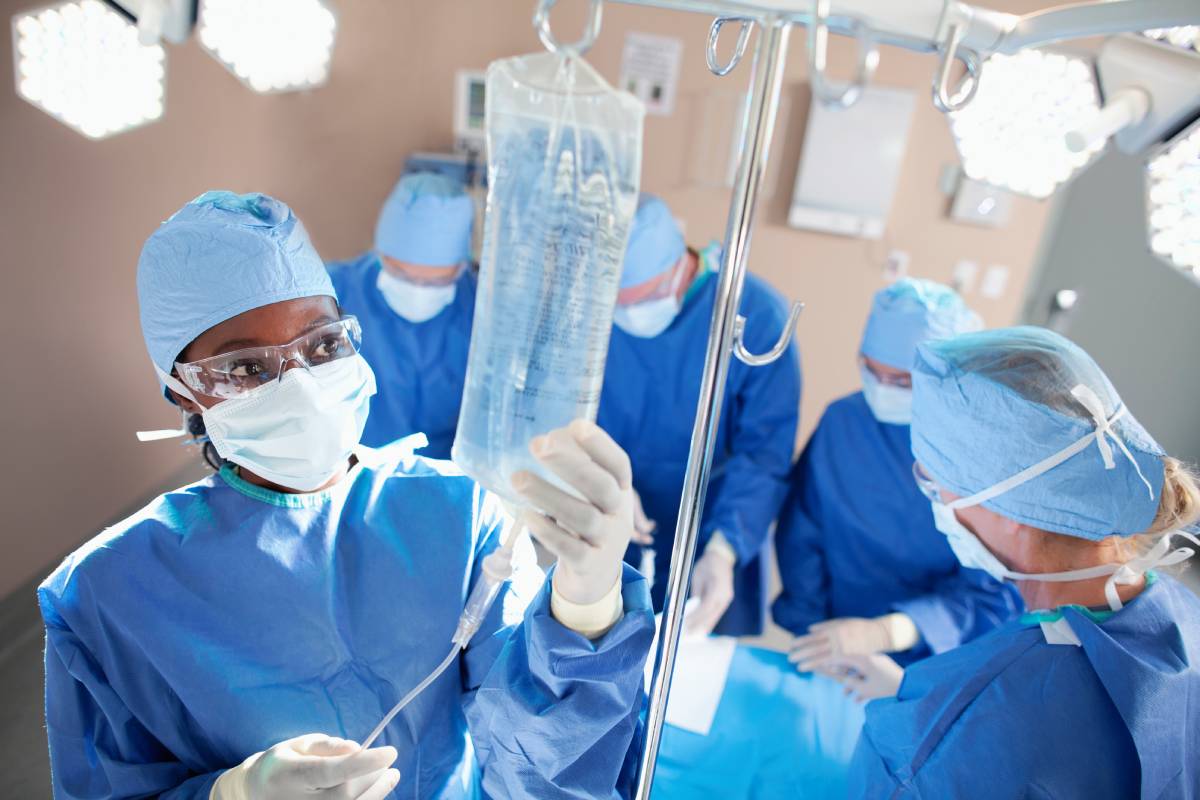
Renal transplantation is the most common surgical intervention for end-stage renal disease (ESRD), with one-year survival rates exceeding 90% for deceased donor grafts in many countries. Providing safe anesthesia for this population requires careful consideration of the systemic consequences of chronic renal failure and the unique demands of the transplant procedure itself.
Monitoring during renal transplantation typically includes non-invasive blood pressure monitoring, pulse oximetry, and electrocardiography, with potential additions of capnography and temperature monitoring depending on the patient's condition. Common perioperative complications include severe anemia, hypertension, metabolic acidosis, and hyperkalemia, all of which require proactive management.
Regarding induction agents, propofol, desflurane, isoflurane, and thiopental are considered safe options. Etomidate's cardiovascular stability makes it the preferred anesthetic of choice in patients with comorbid ischemic heart disease. Ketamine should be avoided in patients with ischemic heart disease due to its sympathomimetic effects, which can increase myocardial oxygen demand.
For opioid selection, fentanyl, alfentanil, sufentanil, and remifentanil are acceptable choices in renal transplant patients. Morphine should be avoided due to the risk of metabolite accumulation in the setting of impaired renal clearance, which can lead to prolonged respiratory depression and sedation.