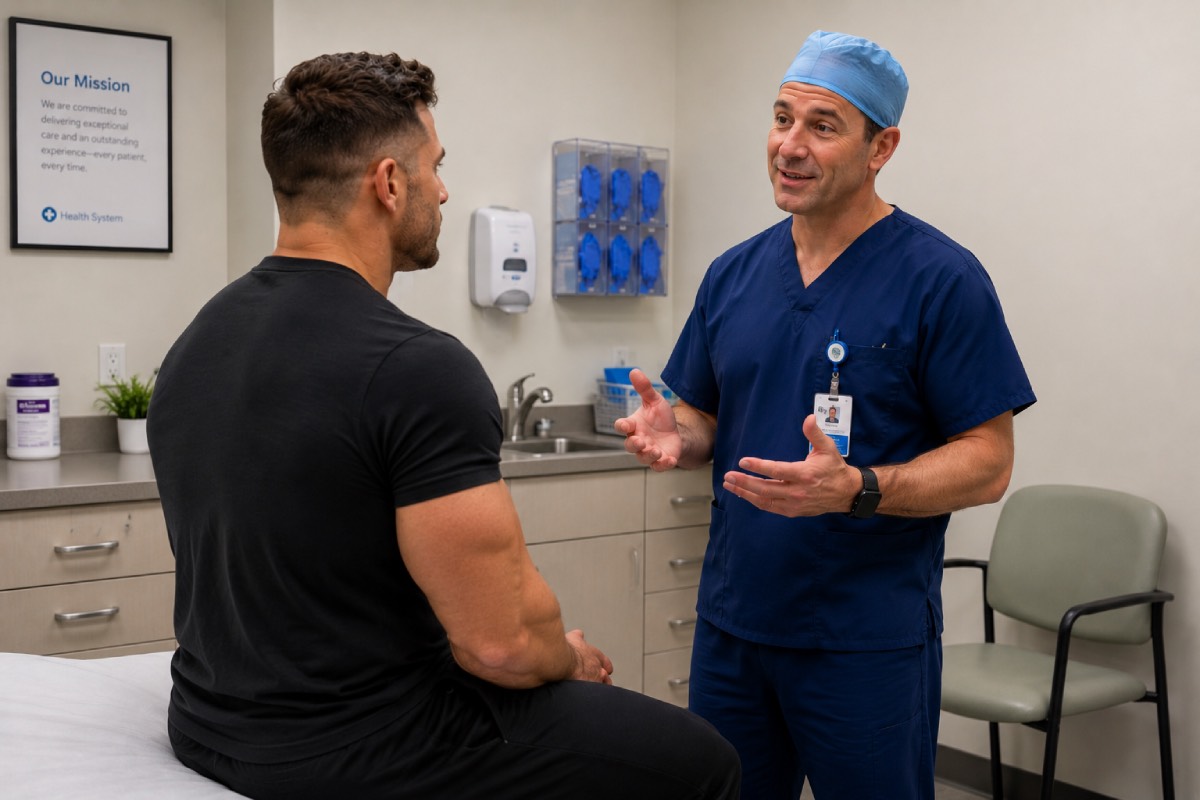
The perioperative management of patients using anabolic steroids presents unique challenges for anesthesia providers because these agents can significantly affect cardiovascular, hepatic, endocrine, hematologic, and psychiatric function. Anabolic steroid use has become increasingly common among athletes, bodybuilders, and other individuals seeking enhanced physical appearance or performance. Many patients may not voluntarily disclose steroid use during preoperative assessment, making careful history-taking essential. Certain physical and laboratory findings may provide clues to undisclosed steroid use, including unusually high muscle mass, severe acne, gynecomastia, testicular atrophy, hypertension, injection-site scarring, erythrocytosis, and abnormal liver function tests. Behavioral changes such as irritability, anxiety, or aggression may also be present.
Cardiovascular complications are among the most clinically significant anesthesia concerns in users of anabolic steroids. Chronic steroid exposure has been associated with hypertension, dyslipidemia, ventricular hypertrophy, arrhythmias, impaired diastolic function, and accelerated coronary artery disease, all of which may increase perioperative morbidity and mortality. Sudden cardiac death has also been reported in long-term users. Preoperative evaluation should include careful blood pressure assessment, electrocardiography, and consideration of echocardiography in symptomatic patients or those with prolonged exposure. Young patients presenting with unexplained cardiomyopathy or myocardial ischemia without traditional cardiovascular risk factors should raise suspicion for anabolic steroid use. Hemodynamic instability may occur intraoperatively because of altered vascular responsiveness and underlying myocardial dysfunction. Therefore, it is necessary for healthcare providers to carefully titrate anesthetic agents and vigilantly monitor patients. In addition, steroid-induced erythrocytosis may increase blood viscosity and thromboembolic risk during surgery.
Liver dysfunction represents another important perioperative concern. Oral anabolic steroids, especially 17-alpha-alkylated compounds, are associated with hepatotoxicity, cholestasis, and hepatic tumors. Liver impairment may alter metabolism of anesthetic drugs and increase perioperative bleeding risk through impaired synthesis of clotting factors. Preoperative laboratory evaluation should therefore include hepatic function studies when steroid use is suspected. Renal dysfunction and electrolyte disturbances may also occur secondary to hypertension, dehydration, or concurrent use of supplements and other performance-enhancing substances.
Endocrine suppression is also relevant during the perioperative period. Long-term anabolic steroid use suppresses the hypothalamic-pituitary-gonadal axis, and many users concurrently take other performance-enhancing agents such as testosterone derivatives, growth hormone, stimulants, or corticosteroids. Abrupt discontinuation may lead to fatigue, depression, and hormonal instability. Although adrenal suppression is less pronounced than with glucocorticoids, clinicians should evaluate for concomitant corticosteroid exposure and signs of endocrine dysfunction. Psychological manifestations such as mood instability, aggression, and anxiety may complicate perioperative management and postoperative recovery. Emergence agitation or altered pain responses may occur, particularly in patients experiencing withdrawal symptoms.
Anabolic steroid users may demonstrate altered responses to anesthetic medications and analgesics because of metabolic changes, concurrent substance use, or increased muscle mass. Intramuscular injections can lead to localized fibrosis or infection, potentially complicating vascular access or regional anesthesia procedures. Illicit steroid preparations obtained without medical supervision may contain contaminants or additional pharmacologic agents that further complicate anesthetic care. Effective perioperative management therefore depends on nonjudgmental communication, comprehensive preoperative screening, optimization of cardiovascular status, and close postoperative monitoring. Recognition of the clinical clues associated with anabolic steroid use is essential because these patients may appear otherwise healthy while harboring substantial occult disease that significantly increases risk during surgery and anesthesia.