
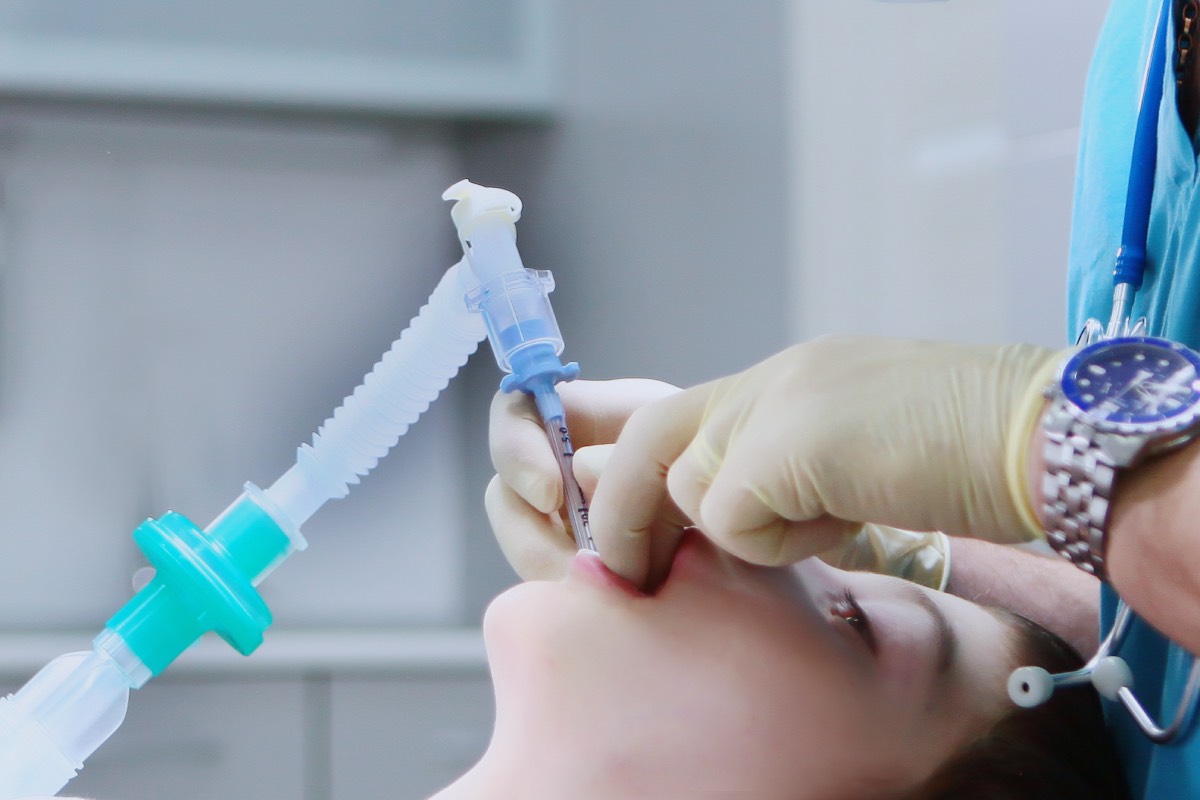
Patients with irritable or hyper-reactive airways, such as those with asthma or chronic obstructive pulmonary disease (COPD), present challenges for anesthesiologists performing intubation and administering inhalational anesthesia. These individuals have heightened bronchial reactivity, which makes them vulnerable to bronchospasm, laryngospasm, and desaturation during airway manipulation and anesthetic delivery. Therefore, careful preoperative assessment and intraoperative vigilance are critical to minimizing perioperative respiratory complications (1).
While essential for maintaining airway protection, endotracheal intubation is one of the most potent triggers of airway irritation in patients with irritable airways. Mechanical stimulation of the larynx and trachea during laryngoscopy can cause reflex bronchoconstriction, which results in increased airway resistance, wheezing, and ventilation difficulties. These reactions may be exacerbated by poorly controlled asthma or recent respiratory infections. Pre-intubation strategies, such as administering inhaled beta-2 agonists, using lidocaine, and ensuring adequate anesthesia before airway instrumentation, can reduce the incidence of bronchospasm (1).
The selection of inhalational anesthetics plays a key role in the management of patients with irritable airways. Agents such as sevoflurane and isoflurane possess intrinsic bronchodilatory effects and are preferred for induction and maintenance of anesthesia in these cases. Sevoflurane, in particular, minimally irritates the airway and is suitable for inhalational induction due to its low blood-gas solubility and lack of pungency (2). In contrast, desflurane is associated with airway irritation, coughing, and sympathetic activation, making it less desirable during induction in hyper-reactive patients (3).
Volatile anesthetics act through direct relaxation of bronchial smooth muscle and reduction of airway reflexes. This mechanism involves the inhibition of intracellular calcium release and modulation of airway tone, which together reduce airway resistance. These bronchodilatory effects are so pronounced that agents such as sevoflurane and isoflurane have been successfully used as rescue therapy in refractory bronchospasm or status asthmaticus unresponsive to conventional treatment (4).
Comprehensive perioperative care requires optimization of pulmonary function before surgery. Patients with asthma or reactive airway disease should be evaluated for symptom control, recent exacerbations, and medication compliance. Elective procedures should ideally be postponed in those with active wheezing or recent upper respiratory infections. Preoperative continuation of corticosteroids and bronchodilators is essential, and nebulized beta-2 agonists can be administered shortly before induction to reduce bronchial irritability (5).
During the maintenance phase of anesthesia, minimizing airway irritation is crucial. This involves maintaining an adequate depth of anesthesia, avoiding noxious airway stimuli, and continuously monitoring airway pressures to detect early signs of bronchospasm. As the patient emerges from anesthesia, airway reflexes begin to return, increasing the risk of bronchospasm or laryngospasm during extubation. To reduce this risk, extubation may be performed under deep anesthesia in select cases. In the postoperative period, providing humidified oxygen, continuing bronchodilator therapy, and closely monitoring respiratory status are essential for preserving airway patency and preventing complications such as hypoxemia (5).
Safe anesthesia in patients with irritable airways requires careful planning, gentle airway manipulation during intubation, and the use of inhalational agents with bronchodilatory properties. By combining preoperative optimization, appropriate selection of anesthetic agents, and vigilant intra- and postoperative monitoring, anesthesiologists can significantly reduce the risk of perioperative respiratory events in this patient population.
References
1. Kamassai JD, Aina T, Hendrix JM. Anesthesia Management in Patients with Asthma. In: StatPearls. Treasure Island (FL): StatPearls Publishing; March 28, 2025.
2. Young CJ, Apfelbaum JL. Inhalational anesthetics: desflurane and sevoflurane. J Clin Anesth. 1995;7(7):564-577. doi:10.1016/0952-8180(95)00129-8
3. Klock PA Jr, Czeslick EG, Klafta JM, Ovassapian A, Moss J. The effect of sevoflurane and desflurane on upper airway reactivity. Anesthesiology. 2001;94(6):963-967. doi:10.1097/00000542-200106000-00008
4. Mondoñedo JR, McNeil JS, Amin SD, Herrmann J, Simon BA, Kaczka DW. Volatile Anesthetics and the Treatment of Severe Bronchospasm: A Concept of Targeted Delivery. Drug Discov Today Dis Models. 2015;15:43-50. doi:10.1016/j.ddmod.2014.02.004
5. Saraswat V. Effects of anaesthesia techniques and drugs on pulmonary function. Indian J Anaesth. 2015;59(9):557-564. doi:10.4103/0019-5049.165850